
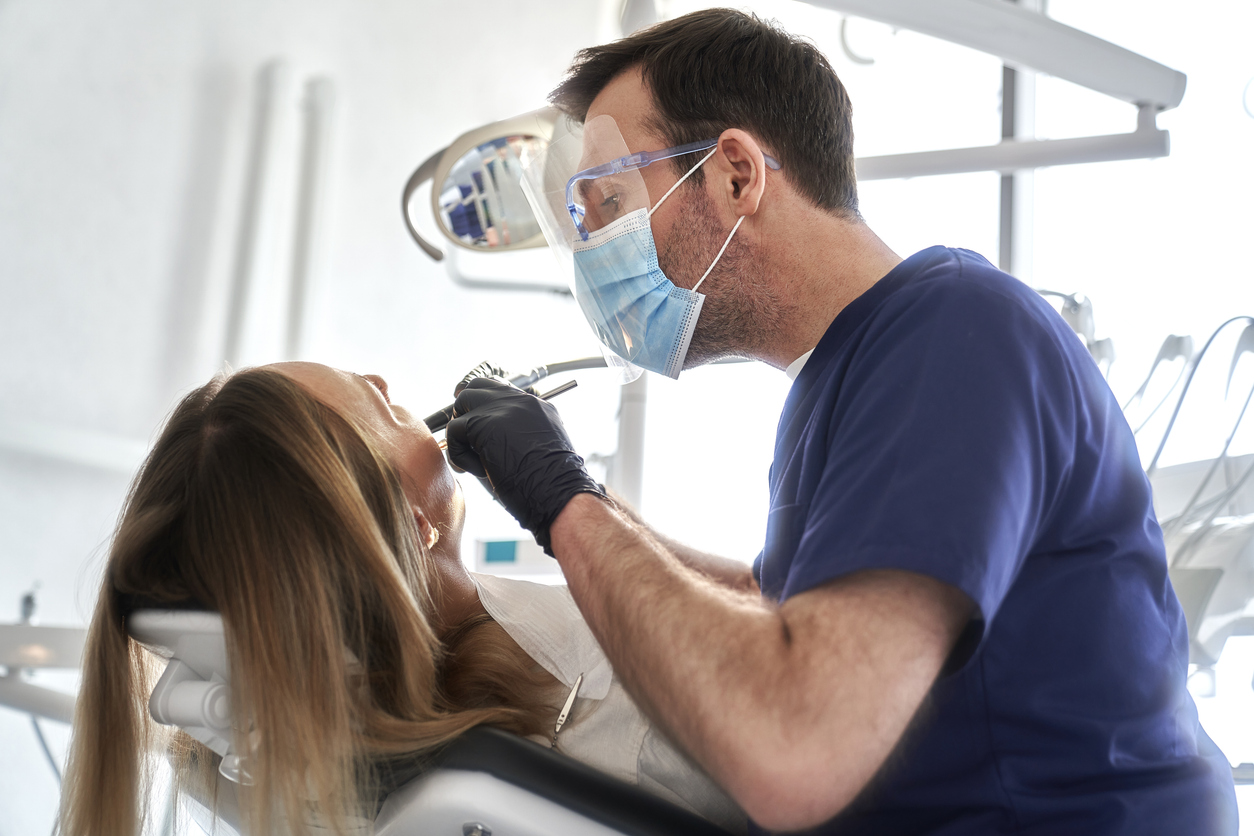
We all know that feeling of pushing seemingly non-urgent things to the backburner when life gets too busy. Dental appointments are sometimes one of those easy things to postpone… especially when nothing hurts. However, it’s easy to forget that many oral health problems develop quietly, so skipping routine dental care for several years can allow minor concerns to become quite painful, complex, and ultimately, more expensive to treat.
The good news is that it is never too late to return to the dentist. Whether it has been two years, five years, or even longer, scheduling a dental checkup Sacramento residents trust is an important first step toward protecting your health and avoiding further damage.
Plaque and Tartar Begin to Accumulate
Even with regular brushing and flossing, plaque can collect on teeth, especially in areas that are difficult to reach. If plaque is not removed, it eventually hardens into tartar, which cannot be eliminated with a toothbrush at home.
As time passes, tartar buildup can irritate the gums and contribute to inflammation. Professional cleanings therefore, are a key part of preventative dentistry because they remove these deposits before they cause more serious problems.
If you have tartar that has accumulated, you may notice signs like visible buildup, persistent bad breath, or bleeding when brushing. In other cases, there may be no obvious symptoms at all.
Small Cavities Can Become Larger
A small cavity may not hurt, which is why it’s extra important to have regular exams to catch nonpainful cavities before they get worse. During a routine dental exam at Ideal Dentistry, a dentist can often identify early decay and treat it, before it causes noticeable discomfort.
Without treatment, decay can gradually spread through the tooth, so a cavity that might initially require a simple filling could eventually require a crown. If bacteria reach the tooth’s inner pulp, root canal treatment or extraction may also become necessary.
This is one important reason why waiting for pain is not a reliable dental-care strategy. By the time a tooth begins hurting, the problem may already be more advanced and more costly to correct.
Gingivitis May Progress to Gum Disease
Early gum inflammation, called gingivitis, can cause red, swollen, or bleeding gums. Luckily, at this stage, the condition can often be reversed with professional care and improved oral hygiene.
When gingivitis goes untreated, however, it can progress to periodontitis, a more serious form of gum disease. Periodontitis impacts the tissues and bone that support the teeth. As it advances, gums may pull away from the teeth, pockets may develop around the gumline, and teeth can become loose and painful.
Advanced gum disease cannot simply be reversed, but it can often be managed and prevented from getting worse. Returning to a family dentist Sacramento residents trust, like Ideal Dentistry, allows our dental team to evaluate your gums and recommend an appropriate treatment plan.
Old Dental Work Can Deteriorate
Fillings, crowns, bridges, and other restorations are designed to last, but they still require monitoring. Over several years, a filling may crack, a crown may loosen, or decay may form around the edges of an older restoration.
Routine dental checkups help identify changes before a restoration fails completely. Addressing a small fracture or weakened filling early may even help preserve more of the natural tooth and avoid an unexpected dental emergency.
Infections Can Develop Without Warning
Obviously, untreated decay, cracked or damaged teeth, and advanced gum disease can lead to painful infections. A dental abscess may cause severe pain, swelling, sensitivity, a bad taste in the mouth, or fever. Some infections, however, can develop with limited symptoms at first so you may not notice right away.
Dental infections do not typically resolve on their own; instead, they require professional treatment and may become urgent if swelling spreads or affects breathing or swallowing. Regular examinations make it much easier to find vulnerable teeth before they reach this stage.
Tooth Loss Can Affect More Than Your Smile
The difficult truth is that when dental disease progresses far enough, a tooth may no longer be repairable. Losing a tooth can affect chewing, speech, appearance, and the alignment of nearby teeth as well. Missing teeth can also allow the jawbone in that area to gradually shrink.
Replacing a missing tooth is often more involved and expensive than treating decay or gum disease early which is why preventative dentistry focuses on preserving natural teeth whenever possible.
What Should You Expect When Returning to the Dentist?
If you have avoided dental care because you feel embarrassed, you are not alone. A compassionate dental team should focus on helping you move forward however, not judging how long it has been.
At Ideal Dentistry your first appointment may include:
- A conversation about your health history, symptoms, and concerns
- A thorough examination of your teeth and gums
- Dental X-rays, when appropriate
- An oral cancer screening
- An assessment of existing dental work
- A personalized plan that prioritizes the most urgent needs
You may not need to complete every treatment immediately. In many cases, care can be divided into manageable stages based on urgency, comfort, schedule, and your budget.
Is It Too Late to Schedule a Dental Checkup?
It’s never too late! Even if significant problems have developed, returning to the dentist can help stop them from becoming much worse and can prevent new ones from developing. Modern dentistry offers a myriad of ways to restore comfort, function, and confidence.
If it has been several years since your last dental exam, Ideal Dentistry is ready to help you take the next step. Schedule a dental checkup in Sacramento to learn what is happening with your oral health now, discuss your options, and create a realistic plan for healthier teeth and gums moving forward. Call us at (916) 585-4597 to make your appointment today. The sooner you return, the more opportunities your dentist may have to protect both your smile and your long-term oral health.